Drain Cleaning in Manheim Borough & the Square
Brick homes, narrow lots and pipe that has been serving the same streets for generations. We connect you with technicians who know what lies under the borough.
Where an 1762 town plan meets its own plumbing
Manheim Borough grew outward from its central square after it was laid out in 1762, and the centuries since have left a patchwork underneath the streets: older pipe, newer repairs and connections added house by house. If you are calling from the borough in ZIP 17545, there is a fair chance your drain trouble has more to do with age and history than with anything you have done at the sink.
Brick, alleys and basements: the homes around the square
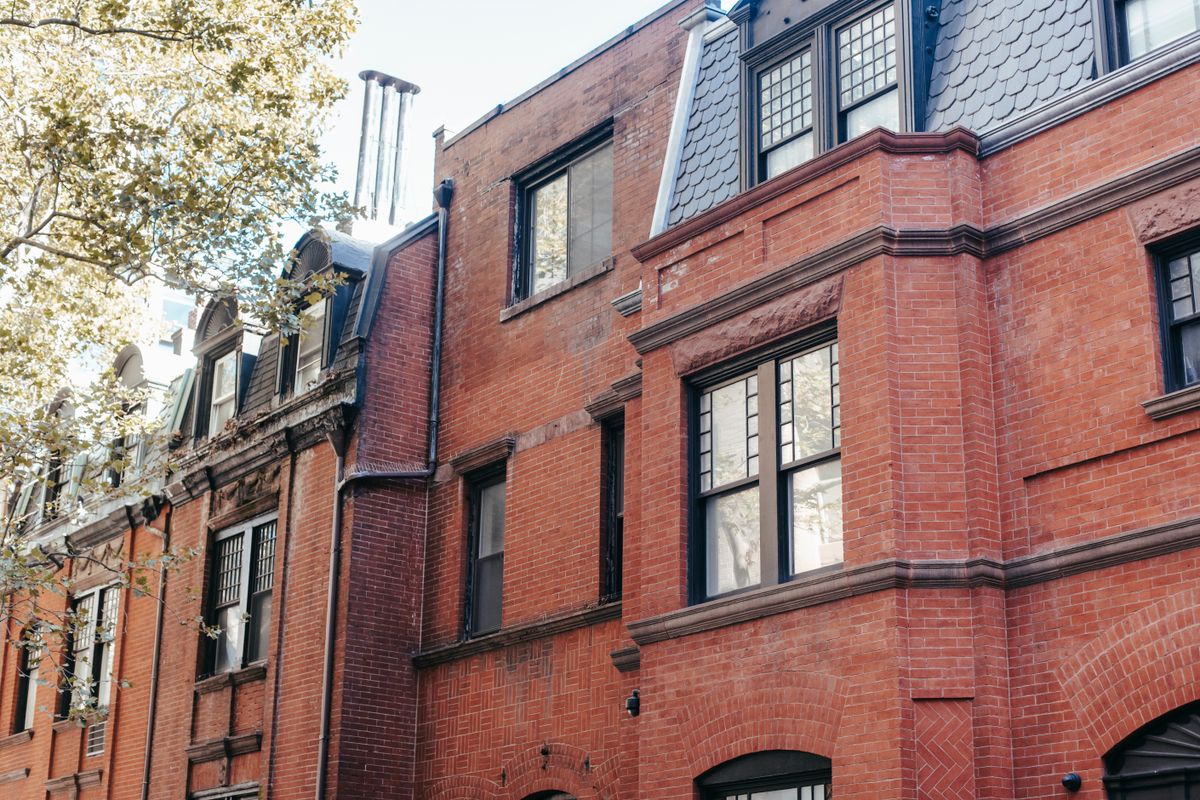
Close to the square you find nineteenth-century brick houses, early twentieth-century blocks and post-war streets, often on narrow lots with little space between neighbors. Many have basements, and alleys behind some properties give a second way in and out. Mature trees line many of the streets.
Kitchens and bathrooms were often added or moved over the decades, so the plumbing in a single house can be a mix of old and newer parts. The drain line from the house to the street may be short, but it runs through tight, crowded ground.
Because lots are narrow and houses sit close together, a problem on one property can feel as though it belongs to the whole block. In practice each house has its own connection to the line in the street, and a technician works out where yours leaves the building before deciding anything. That is why a clear description from you, and a look at the basement, matter more here than a guess made from the sidewalk.
What tends to go wrong in the older streets
The usual suspects are roots working into old joints, rough older pipe collecting grease and hair, low spots where debris settles, and basement floor drains that show trouble before anything upstairs does. In cold weather, frozen ground puts extra stress on buried lines, and winter backups are a general pattern, not a rule.
These are tendencies and not predictions. Plenty of borough homes have clear, sound drains. But if yours is slow, gurgling or backing up, the age of the line is the first thing a technician will think about. The main drain line page explains how a main line blockage differs from a single clogged fixture.
What a technician checks first in a borough house
Where the cleanout is, because in older homes it may be tucked behind a wall or in an odd corner. How many fixtures are affected, and which are lowest. How the basement floor drain is behaving. What the pipe is made of, where it can be seen.
If roots or a sag are suspected, a camera look is likely to be suggested, and the camera inspection page explains what it shows. The technician describes what they find before any work begins, along with the price.
From the first ring to a running drain
You call, and a person answers at any hour. They ask which fixtures are affected, how long it has been going on and whether there is water on the floor. A technician who works in the Manheim area is dispatched, where same-day service is available.
On arrival, they look at the problem, tell you what they found and explain the options and price before starting. After clearing, they check that the line runs properly and tell you what they think caused it. Basement floor drains and laundry lines have their own page, floor and laundry drains, if that is where the trouble sits.
Neighboring parts of town we also cover
East of the borough, Penn Township's subdivisions are newer, with different habits and different problems. To the west, the borough edge of Rapho Township blends into the town and shares much of its character.
Each of those pages describes what is typical there. If you are not sure which area your street belongs to, a dispatcher can tell you when you call.
Questions from borough homeowners
Often they have older pipe, which can be rougher inside and have more joints, and that gives hair, grease and roots more to catch on. It is a general tendency, not a rule, and many older homes have drains that work well. If yours has begun to clog repeatedly, the age of the pipe is worth discussing with the technician, who may suggest a camera look to see what is actually in the line.
They can. Roots look for moisture and can enter a line at an old joint. Mature trees close to a drain line make that more likely, though it depends on the pipe, the soil and the tree. A technician can clear roots with a cutting cable, and a camera shows how far they have spread. Roots can regrow, so the technician may talk to you about how to keep an eye on it.
It can, because a rear alley may give access to utilities and affect where a line runs, but it differs from house to house. We do not assume anything about your property. The technician works out where your drain line goes and where access is easiest, and they will tell you what they find. If you know where your cleanout is, mention it when you call.
A floor drain trap can dry out in a rarely used drain, and sewer air then rises into the room. Cold, dry basement air does not help. A smell can also come from a blockage or a problem in the line. The technician can check the trap and the drain and tell you which it is. Please do not pour chemicals into the drain to treat the smell.
It can. A later addition often ties into older drainage, and the join between old and newer pipe is a spot where debris and roots can collect. If the kitchen drains slowly while the rest of the house is fine, that join is one of the places the technician may check. They will tell you what they find and what the options are.
We connect you with technicians who work in the Manheim area and are familiar with its housing, from older brick homes to later additions. That does not mean they assume anything about your house. They look at your drain, tell you what they see and explain the price before they start, whatever the age of the building. If you feel they have missed something about your home, tell them, because you know the house better than anyone.
The technician will tell you if the problem seems to lie beyond your property line. We cannot clear what is not ours to touch, and they will explain what they found and who would normally deal with that part. It is one reason a clear description when you call helps, and why they check where the line leaves your house.
Yes. A slow drain is a good time to call, while the build-up is still small and the fix is simpler. Describe what you notice, which fixtures are affected and for how long. If it turns out to be a simple clog, the technician will say so, and if it points to something further along, you will hear that early.
Cold stretches and frozen ground can put extra stress on buried lines, and winter often brings heavier use of the kitchen and laundry. In older streets that combination can show up as slower drains or backups. It is a general pattern and not something every house experiences. If a drain starts misbehaving in cold weather, describe when it began and what changed, and the technician can tell you whether the weather is likely to be a factor.
Old streets, old pipe, straight answers
Call from anywhere in the borough and a local technician can look at what your drain is doing.