Bathroom Sink, Tub & Shower Drains in Manheim
Ankle-deep water in the shower, a sink that barely drains, or a tub that gurgles when someone flushes. For bathroom drain cleaning in Manheim, we connect you with a technician who clears it and reads what the drain is telling them.
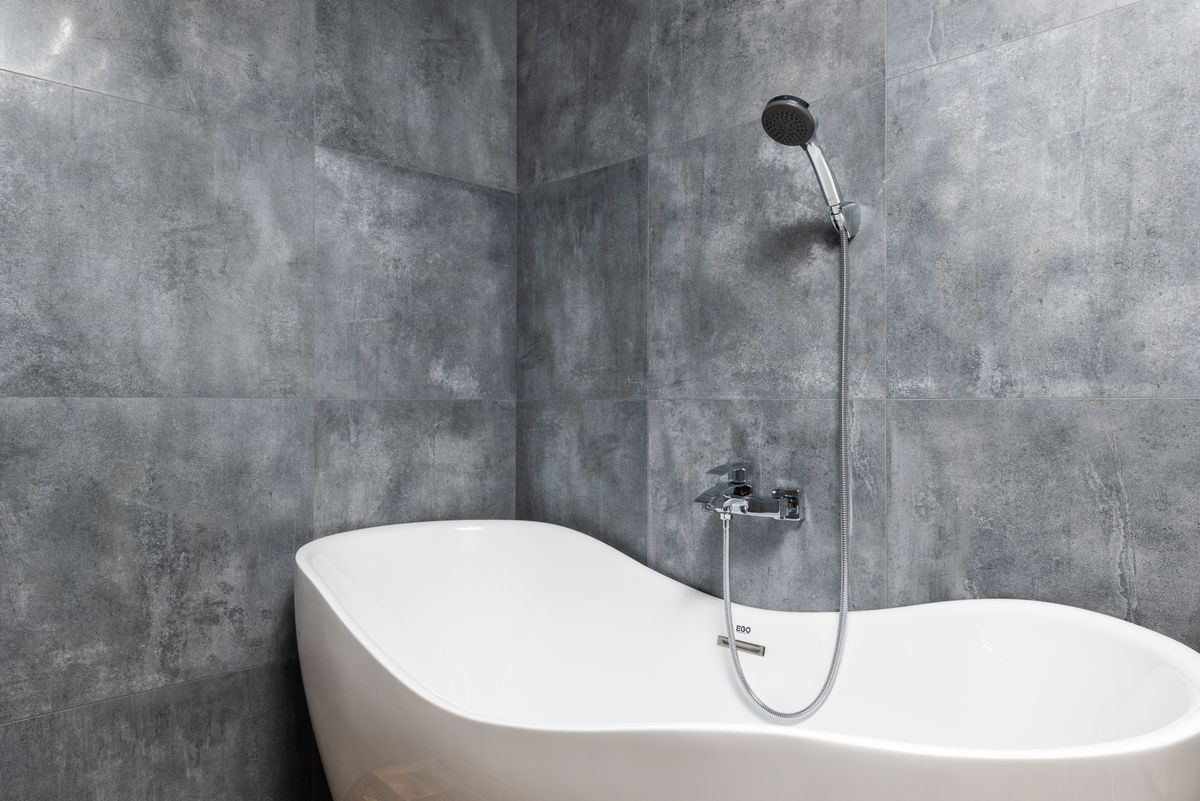
Standing in the shower, watching it rise
It started as a slightly slow drain and now the water covers your feet before you have finished rinsing. A bathroom drain rarely fails all at once. It narrows as hair and soap collect, and one day the water arrives faster than the pipe can carry it away.
Most of the time the cause is close to the opening and the fix is straightforward. Sometimes it is not, and the way to tell the difference is to see how the drain behaves after the first obstruction is gone.
Hair and soap scum
Hair is the main ingredient. It does not dissolve, it loops around the first rough edge it meets, and soap residue glues each strand to the next. What forms is a dense plug that water can seep through slowly, which is why a shower can go on draining, barely, for weeks before it stops.
Bathroom sinks are the same with toothpaste, shaving residue and the odd small item that slipped down the drain. A mat or a catch in the opening reduces what reaches the pipe, though it will not remove what is already there.
Pop-up stoppers and tub overflows
In a sink or tub with a pop-up stopper, hair collects on the mechanism before it even reaches the pipe. That is easy to miss, and it can account for a drain that seems blocked when the line beyond it is perfectly clear.
Tubs add the overflow, a second opening high on the wall that joins the drain below the stopper. If water bubbles up there, or the tub fills slowly even with the stopper open, the technician looks at the linkage and the overflow as well as the pipe. They know where those parts hide and how to reach them without marking the finish.
Old metal drain lines in older homes
Houses from earlier decades often have metal drain pipe, and over many years the inside of that pipe can roughen and scale. A rough surface catches hair and soap far more readily than smooth plastic does, so older bathrooms tend to clog more often and in the same spot.
That is a general tendency, not a verdict on any one home. A technician who sees the pipe can tell you how it looks and whether cabling is enough or high-pressure water, described on the hydro jetting page, might suit the line better.
When the problem is further down the line
If the tub gurgles when the toilet flushes, the sink burbles when the shower runs, or water appears in a different fixture, the blockage is probably past the bathroom. Several fixtures sharing one trouble spot is the usual sign of a stoppage in a shared branch or in the main drain, which is the territory of main drain line clearing.
Say this when you call. It saves time, and it lets the technician bring the right equipment on the first trip.
Bathroom drain cleaning: what the technician checks
First, how the water behaves: where it stops, where it gurgles, whether other fixtures react. Then the accessible parts, including the stopper, the overflow and the trap. After that, a cable or a camera if the problem is further in, and a test run once the line is open to see whether it holds.
They will tell you what they found, whether the cause looks like habit, age of pipe or something further along, and what they suggest. You hear the price before work starts.
Bathrooms across Manheim's newer and older streets
East of the borough, Penn Township's subdivisions tend to have bathrooms stacked over each other or clustered around a single wet wall, so a problem upstairs can show up below. Pipe is mostly newer and smoother there, and hair and soap are the usual suspects.
Along the borough edge of Rapho Township, homes from different decades sit side by side, and a bathroom added in the 1990s may tie into much older pipe. Which version of the story applies to yours is something the technician can usually work out once they have looked at your line.
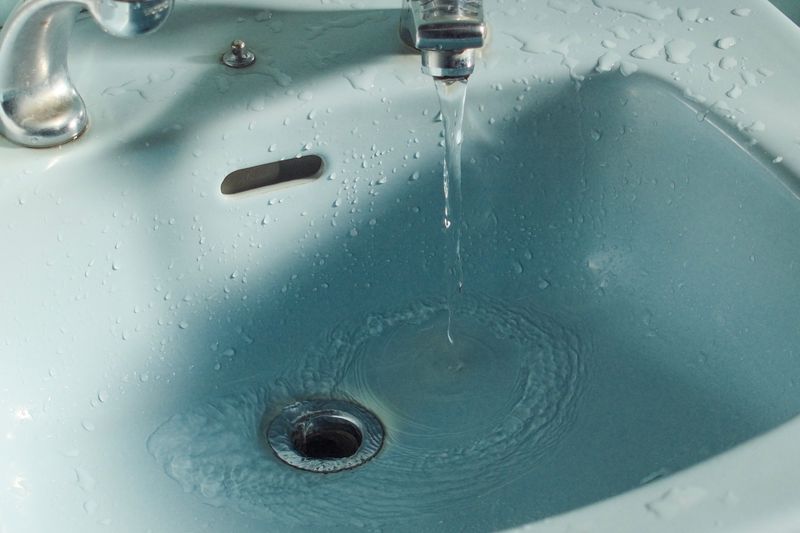
Bathroom drain questions
A slow drain in the shower is, in most homes, hair and soap scum collecting at or just below the drain opening, and the water seeps through a shrinking gap. Slow showers can also come from a stopper or strainer that has caught debris, or, less often, from a problem further along the line. If the sink or toilet nearby behaves oddly too, that points past the shower itself. The technician checks the close, easy parts first and moves further in only if they need to.
Many households keep one, and a simple plastic hair-catching tool is a common first reaction to a slow shower. Whether it helps depends on where the blockage sits. If the water keeps coming back, or other fixtures react as well, the cause is deeper than a household tool can reach, and a technician is the better next step. Please avoid chemical cleaners and wire, which can harm pipes and finishes.
The gurgle usually means air is being pushed through the drain system past a partial blockage, and the two fixtures share a pipe somewhere. It is a hint that the obstruction sits beyond the tub, not at its drain. A technician follows that clue to the shared branch or the main line. Mention which fixtures react to each other when you call, because that pattern is one of the most useful things you can tell us.
Yes. Bathrooms connect to the main drain, so a blockage there can make a tub or shower drain slowly or back up even when its own pipe is clear. The clue is several fixtures reacting together, especially the lowest ones in the house. If only one fixture is affected, the cause is normally close to it. If several are, the technician looks further down the line.
Technicians work around fixtures every day, and they take care with enamel, acrylic and tile. Most clearing happens through the drain opening or an access point, with tools made for that job. If a part needs to be removed to reach the blockage, they explain it first. Tell them about any existing chips or marks before they start, so nothing is mistaken for new damage afterwards.
Older drain pipe, particularly metal, can develop a rough and scaled inside surface over many years, and rough surfaces catch hair and soap more readily than smooth ones. Older layouts can also have flatter runs or more bends. It is a general tendency and not every old house behaves this way, but it is why a repeat clog in an older bathroom is worth a closer look with a camera.
There is no schedule that suits every home. A household with long hair and daily showers may notice slowing sooner than a guest bathroom that is rarely used. A better guide is how the drain behaves: if it starts draining slowly, gurgling or smelling, deal with it early, while the build-up is still small. A drain that clogs every few weeks needs a look at the cause, not a calendar.
Tell the technician right away. If the drain was cleared and the water rises again, the blockage may be further down the line, or the first obstruction may have been only part of the problem. A good technician checks how the line behaves after clearing and does not leave until it runs properly. If it returns days later, call again and describe what changed, because that detail points to the real cause.
Get the shower back to normal
Tell us which fixture is affected and how long it has been slow, and a technician can take it from there.