Basement Floor & Laundry Drains in Manheim
A damp smell near the floor drain, a standpipe that spits water, or a puddle that appears whenever the washer runs. For floor drain cleaning in Manheim, we connect you with a technician who sorts out what the basement and laundry drains are trying to tell you.
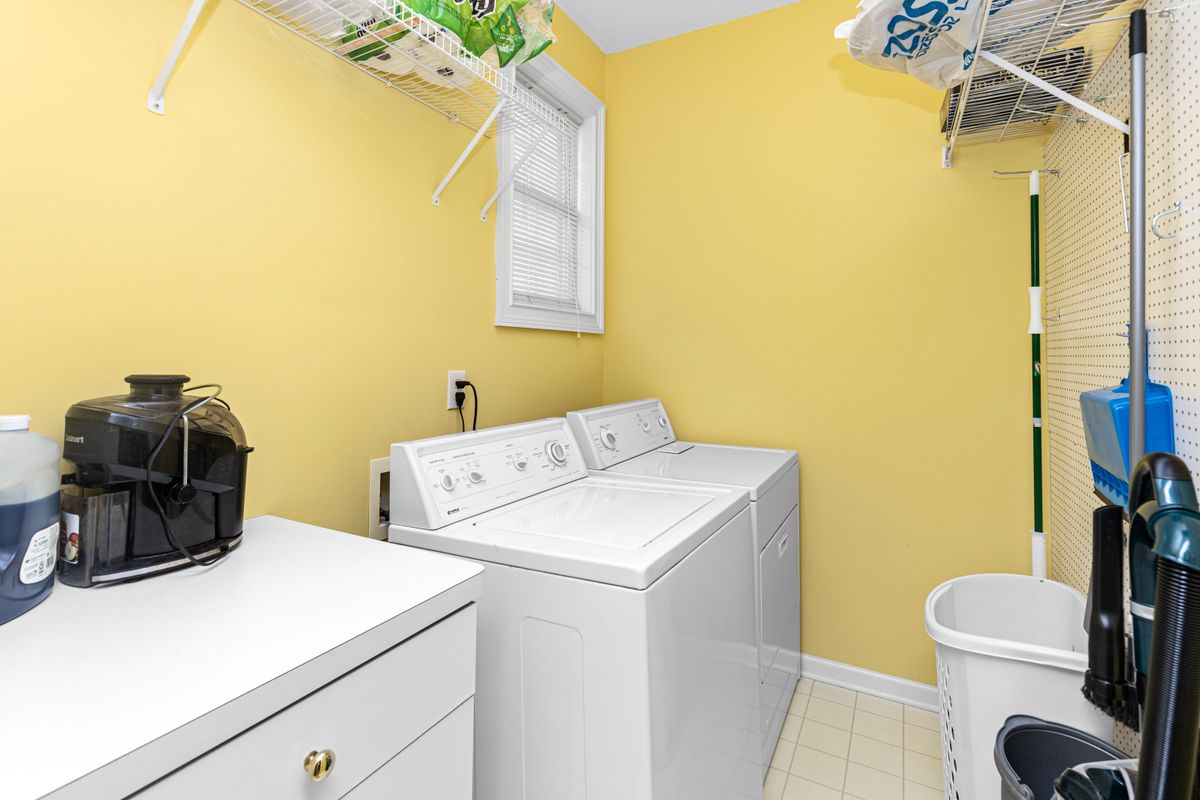
The basement drain nobody thinks about until it speaks up
For most of the year a floor drain just sits there. Then something changes: a smell drifts across the room, water darkens the concrete, or the washer fills a standpipe higher than it should. Basement drains are the lowest outlets in the house, so they are often the first place a larger problem shows itself.
The important question is whether you are looking at a small, local problem or a symptom of something further down the line.
Laundry lint and standpipe overflows
A washing machine empties a lot of water quickly, through a narrow standpipe, with lint, hair and detergent residue riding along. The standpipe and the pipe below it can narrow until the water arrives faster than it can leave, and the standpipe overflows onto the floor.
A lint trap on the hose outlet reduces what reaches the pipe, and a technician can clear what has already built up. If the washer drains slowly but nothing else in the house does, the cause is usually in that laundry branch and not in the main line.
Floor drain cleaning for backups and slow drains
A floor drain connects to the same drain system as the rest of the house. If water rises through it, one of two things is happening. Either the floor drain's own short branch is blocked, or the main line beyond has slowed and the water is looking for the lowest way out.
Tell the dispatcher what else was running when it happened. Water coming up as the washer empties points to the laundry branch, while water rising when several fixtures run, or when it rains heavily, calls for a wider look. The emergency drain cleaning page covers when a backup becomes urgent.
Dried-out traps and smells
Every floor drain has a trap, a curve in the pipe that holds a little water and blocks sewer air from the room. In a drain that is rarely used, that water can evaporate, and the smell comes straight through. A smell does not always mean a blockage.
It can also point to a trap that has lost its seal, a crack, a loose cover or a venting issue. A technician can work out which, and they can explain how trap upkeep works for your drain. Please do not pour anything into it on your own account, especially not chemicals.
Low-lying basements and storm-season backups
Basements sit below the sewer in some blocks, which means water has to climb to leave. In those homes, a heavily loaded system can push water back through the lowest opening during wet weather. This is a general pattern, not something that happens to every home.
If your basement drain has backed up during storm seasons before, mention it. It does not mean the cause is the same each time, but it helps the technician decide where to look first and whether a closer inspection might help.
Backwater valves explained generally
A backwater valve is a one-way valve fitted in a drain line to let water out but stop it flowing back in. Not every house has one, and whether one suits a particular home is a plumbing question for a qualified professional. Installing one is a separate project from drain cleaning.
What we can say is that a valve does not clear a blockage, and a stuck or dirty valve can itself cause trouble. If the technician sees one, they will tell you what they noticed. For homes that keep meeting the same problem, the kitchen drain page is a good reminder of how habits upstairs affect the whole system.
Floor drains in older and newer Manheim basements
Many basements in the older streets of the borough have floor drains that were fitted decades ago, connected to older pipe that may have a longer, flatter path to the main. Traps dry out, and covers wear.
Along the Rapho Township edge of the borough, homes from the 1970s onward often have a laundry area and a floor drain close together, and the lint-and-standpipe story is the common one.
Floor and laundry drain questions
The standpipe and the drain below it have narrowed, so the washer's discharge arrives faster than the pipe can carry it away. Lint, hair, detergent residue and small bits of fabric collect over time. If only the washer is affected, the cause is likely in the laundry branch. If other fixtures are slow too, it may be further along. Stop running the washer and tell the dispatcher what you noticed.
The most common reason is a trap that has dried out, so sewer air passes straight up. Other causes include a blockage, a cracked pipe, a loose cover or a venting issue. The smell alone does not tell you which. A technician can check the trap and the line and tell you what they find. Please avoid pouring chemicals down the drain, which will not fix the problem and can harm the pipes.
Water takes the lowest path. If the main line or the floor drain's own branch is blocked, water has nowhere to go and rises through the lowest opening in the house. It can also happen when several fixtures discharge at once into a line that is already partly blocked. Stop using water, note what was running, and call so the technician can find out whether the problem is local or further along.
Often, where a technician is available. A local blockage in a floor drain is usually straightforward to reach, while a backup that involves the main line may need more time and equipment. We do not promise a time in advance, but we do dispatch the same day when we can, and the person on the phone will tell you honestly what is possible.
Sometimes, and sometimes not. A floor drain can back up from its own short branch, but because it sits at the lowest point it is also the first place a main line blockage shows itself. If only the floor drain is affected and the other fixtures behave, the cause may be local. If several things are slow, the technician will look at the main line.
A backwater valve is a one-way valve in a drain line that lets water leave the house and is designed to stop it coming back in. Some homes have one, many do not, and whether one is suitable depends on the property. Fitting one is a separate job from cleaning a drain, and a valve cannot clear a blockage. If the technician spots one, they will tell you what they saw.
Yes, especially in a laundry branch. Lint, hair and detergent residue combine into a soft mat that catches on rough spots and narrows the pipe, and water keeps flowing through a smaller gap until it cannot. A lint trap on the washer's discharge hose reduces how much gets through, though it does not remove what is already in the pipe, which a technician can clear.
Please do not pour chemical cleaners or other products into it. They can damage the pipes and the trap, and they are hazardous for the technician who works on the drain later. If you suspect the trap is dry, or the drain smells, call and ask. The technician can explain what is safe for your particular drain and whether the trap needs attention.
Get your basement drains looked at
Tell us what the floor drain or the washer is doing, and a local technician can take it from there.